


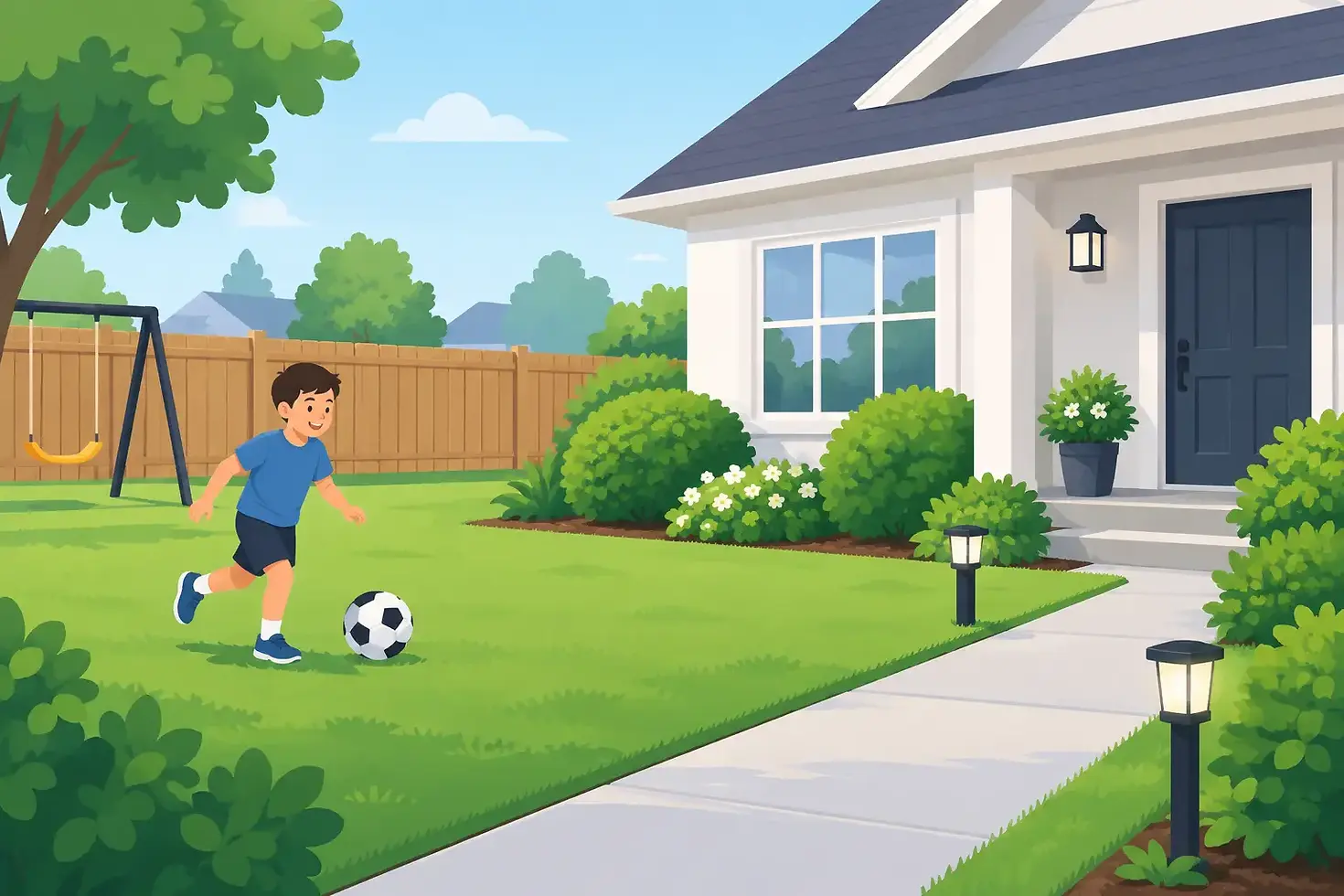
The Best Ways to Improve Yard Safety at Home

A yard can look perfectly manageable from the patio and still have safety issues hiding in plain sight. Low branches, dry brush, uneven walkways, loose fencing, and poor lighting can create risks for family, visitors, pets, and the property itself. The best ways to improve yard safety are usually practical steps taken before a small concern turns into a costly or dangerous problem.
For Southern California property owners, yard safety also means thinking about fire exposure. Long dry seasons, wind, and fast-growing vegetation can change the condition of a yard quickly. A regular look at trees, brush, access routes, and outdoor features helps keep the property usable and better prepared.
The Best Ways to Improve Yard Safety Begin With an Inspection
Walk the property slowly at least once each season, and again after strong winds or heavy rain. Look up as well as down. Many hazards are easy to miss when homeowners only focus on what is at eye level.
Start with trees. Dead limbs, cracked branches, hanging limbs, and trees leaning toward a roof, driveway, sidewalk, or utility line deserve attention. A healthy-looking tree can still have a weak branch over a high-traffic area. Watch for mushrooms near the base, exposed roots, cavities in the trunk, or sudden leaf loss that does not match the season. These signs do not always mean a tree must be removed, but they are good reasons to have a qualified tree professional assess it.
Then check the ground. Uneven concrete, loose stepping stones, exposed roots, holes, damaged sprinkler heads, and slick areas near hoses can all lead to trips and falls. Pay special attention to routes people use after dark, including the path from the driveway to the front door and any walkway leading to a side gate, trash area, or backyard.
It helps to make notes as you go. Separate concerns into items that need immediate attention, repairs to schedule soon, and routine maintenance. That simple system can prevent safety projects from becoming overwhelming.
Keep Trees Maintained Without Taking Unnecessary Risks
Tree work is one of the most effective ways to make a yard safer, but it is also one of the easiest jobs to underestimate. Pruning can reduce the chance of branches falling on roofs, vehicles, play areas, and fences. Removing deadwood also keeps dry material from building up below the canopy.
The right approach depends on the tree and its location. A small, accessible branch may be manageable for a homeowner using proper tools and stable footing. Work near power lines, tall trees, heavy limbs, roofs, or tight access areas should be left to insured professionals. One poorly placed cut can cause a branch to swing, split, or fall in an unexpected direction.
Avoid topping trees or cutting large limbs without a plan. Aggressive cuts can damage the tree, encourage weak regrowth, and create more maintenance later. In many cases, selective pruning is safer for both the property and the tree. A professional can identify which limbs pose a real concern and which ones should remain for the tree's health and structure.
Keep branches trimmed away from roofs, chimneys, and structures where practical. This reduces rubbing damage, limits access for pests, and helps prevent leaves and twigs from collecting in gutters. Clearance needs vary by tree species and property layout, so the goal is not to strip a tree bare. It is to maintain safe separation and remove hazards.
Clear Dry Brush and Maintain Defensible Space
Overgrown brush is more than an appearance issue in much of Los Angeles County. Dry grass, dead leaves, fallen palm fronds, and dense shrubs can add fuel around a home. Keeping vegetation managed is one of the most meaningful steps a property owner can take during fire season.
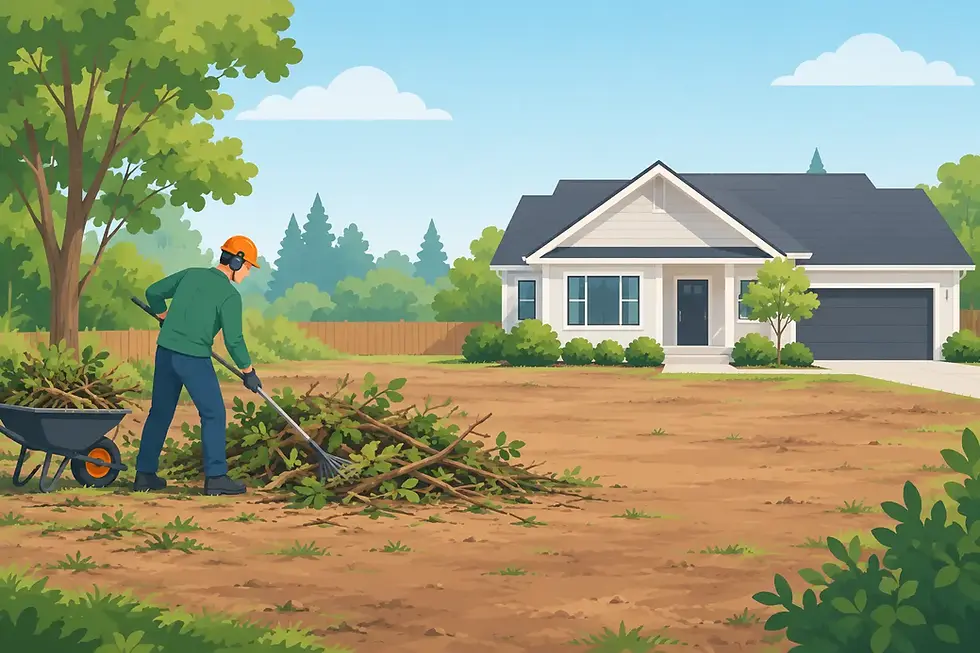
Focus first on dry, dead, and loose plant material. Clear accumulated debris from beneath trees, along fences, near sheds, around decks, and beside outdoor equipment. Do not let cut brush sit in piles for weeks. It can become a fire concern, attract pests, and block access around the property.
Vegetation should be spaced and maintained according to the conditions of the property. A small, irrigated yard in a dense neighborhood has different needs than a larger hillside lot with native brush and seasonal wind exposure. Local requirements and fire guidance may also apply, especially in higher-risk areas. When in doubt, have a brush clearance professional evaluate the property rather than guessing how much vegetation should come out.
Brush clearing should also protect the ground where possible. Removing every plant from a slope can increase erosion and make the property harder to maintain. The better solution is targeted clearing that reduces fuel, improves access, and leaves appropriate healthy vegetation in place.
Make Walkways, Gates, and Outdoor Areas Safer
A safe yard should be easy to move through. Repair cracked pavement, reset loose pavers, and address roots that are lifting sidewalks before someone trips. If a root is causing damage, do not cut it blindly. Cutting major roots can affect tree stability, so the tree and walkway should be evaluated together.
Outdoor lighting is another practical upgrade. Use lighting at entry paths, stairs, gate latches, changes in elevation, and darker corners of the yard. The goal is not to flood the whole property with bright light. Good placement matters more than excessive brightness. Motion-sensor lights can work well around side yards, garages, and gates, while lower path lighting can make everyday routes easier to see.
Check gates and fences for loose posts, broken latches, sharp edges, and gaps that could allow pets or children to get out. Gates should open and close without dragging across the ground. If the gate is used for emergency access or regular landscape service, keep the area around it clear of stored materials and vegetation.
Pools, playsets, storage sheds, and outdoor kitchens need their own quick safety checks. Secure chemicals, tools, ladders, and sharp equipment where children cannot access them. Inspect play equipment for loose hardware and worn surfaces. Around pools, maintain working gates and self-closing latches where required.
Protect Your Home From Seasonal Yard Hazards
Weather changes can reveal yard problems quickly. Before windy conditions, remove loose branches and secure lightweight outdoor furniture, umbrellas, and decorations. After storms, stay away from downed limbs that are tangled in utility lines or resting under tension. A branch can shift suddenly when pressure is released.
In hotter months, check irrigation for leaks and overspray. Wet patches on walkways create slip hazards, while poorly watered plants can dry out and become a fire concern. Keep hoses coiled or stored rather than stretched across paths.
During cooler or wetter periods, clean leaves from drains, gutters, and paved areas. Standing water can make surfaces slippery and may point to a drainage problem. If water regularly pools near the foundation, patio, or a walkway, it is worth addressing before it causes damage or creates a recurring hazard.
Know When to Call a Professional
Some yard projects are ideal for regular homeowner maintenance. Raking debris, replacing a broken path light, trimming small plants, and keeping walkways clear can make a noticeable difference. But hazardous tree removal, large-scale brush clearance, work on slopes, and limbs near structures require experience, proper equipment, and insurance.
Hiring a local, insured tree and brush clearance company protects more than the yard. It gives you a clearer plan for handling the work safely and responsibly. Erik's Tree Service & Brush Clearance helps homeowners and property owners throughout Southern California address overgrowth, hazardous limbs, and brush concerns with straightforward recommendations and free estimates.
A safer yard does not have to be rebuilt all at once. Start with the issue that could cause harm first - a dead limb over the driveway, dry brush near the home, or a walkway someone avoids at night. Taking care of that one concern now can make the whole property safer to enjoy tomorrow.


Comments