


Dead Tree Warning Signs Every Property Owner Should Know

A tree can look fine from the street and still be failing where it matters most. In Southern California, long dry periods, high winds, heat, pests, and fire damage can all weaken a tree over time. Knowing the dead tree warning signs on your property helps you address a hazard before a limb lands on a roof, blocks a driveway, or puts someone at risk.
For homeowners, landlords, and property owners, the goal is not to panic over every brown leaf or small branch. Trees go through seasonal changes, and some species naturally shed. The concern is a pattern of decline, especially when it involves the trunk, major limbs, roots, or a tree near a home, vehicle, power line, walkway, or neighboring property.
Dead Tree Warning Signs You Should Not Ignore
A dead or severely declining tree does not always fall without warning. Often, the signs are visible if you know where to look. A quick walk around the property after windy weather or during routine yard care can reveal changes that deserve attention.
Bare branches during the growing season
A tree that stays bare while surrounding trees of the same type are leafing out may be dead or under serious stress. Look closely at the ends of branches. Healthy branches usually have flexible twigs, live buds, and green tissue beneath the bark. Dead branches are often dry, brittle, and snap easily.
One bare section does not necessarily mean the entire tree is dead. It may be a localized limb issue that can be pruned safely. But when most of the canopy is bare, especially well into the growing season, the tree needs a professional evaluation.
Cracked, peeling, or missing bark
Bark protects the living tissue underneath. Deep vertical cracks, large patches of peeling bark, or areas where bark has fallen away can point to decay, disease, sun damage, or past injury. If the exposed wood is soft, dark, hollow, or crumbling, the tree may have lost much of its structural strength.
Southern California heat can be hard on exposed trunks, particularly on trees that have been stressed by drought or improper pruning. Damage on one small spot may be manageable. Damage that wraps around a large portion of the trunk is more serious because it can interrupt the tree's ability to move water and nutrients.
Mushrooms or fungus near the trunk and roots
Mushrooms growing from the base of a tree, on exposed roots, or directly from the trunk can be a warning that decay is happening inside. Not every fungus means immediate tree failure, but it should never be dismissed when the tree is close to a structure or frequently used area.
Internal decay is difficult to judge from the outside. A tree can retain a full green canopy while the wood inside becomes hollow or weak. An experienced tree service can assess the visible condition and recommend whether pruning, removal, or closer monitoring is the safest option.
Large dead limbs in the canopy
Dead limbs are among the most common hazards on residential properties. They may hang over a patio, fence, driveway, roof, or play area for months before they finally break loose. Wind, heavy rain, and even the weight of nesting birds can be enough to bring down an already weakened branch.
Watch for limbs with no leaves, broken ends, peeling bark, or branches that seem to droop lower than they used to. Do not try to remove large overhead limbs yourself with a ladder or chainsaw. The angle, weight, and tension in the wood can make the work unpredictable.
Leaning, lifting soil, or exposed roots
A tree that has always leaned slightly may not be a concern. A tree that suddenly starts leaning, however, is a different situation. Freshly disturbed soil, roots lifting out of the ground, cracks in the earth around the base, or a new lean after wind or rain can mean the root system is failing.
Root problems can come from drought stress, root rot, compacted soil, construction damage, poor drainage, or a tree that has outgrown its planting location. Because root failure can lead to a full-tree fall, keep people and vehicles away from the area until it can be inspected.
Hollow areas, cavities, and trunk damage
A visible cavity does not automatically mean a tree must be removed. Some mature trees live for years with hollow sections. What matters is where the decay is located, how much sound wood remains, the tree's size, and what could be damaged if it fails.
A large cavity at the base of the trunk is more concerning than a small scar higher up. The same is true for split trunks, multiple trunks that are separating, or old cuts that never closed properly. These conditions can reduce the tree's ability to withstand Santa Ana winds or heavy seasonal weather.
Dead branches falling without a storm
When branches regularly drop in calm weather, the tree may be declining from the top down. This is especially common in drought-stressed trees and trees affected by pests or disease. Small twig drop can happen naturally, but repeated falls of larger branches are a clear reason to schedule an inspection.
Do not assume a branch is harmless because it is dry. Dead wood can be surprisingly heavy, and it can damage roofing, windows, fencing, and parked vehicles. It also creates a safety issue for anyone walking below.
How to Check Whether a Tree Is Alive
A simple scratch test can offer a clue on small twigs and branches. Gently scratch a tiny area of outer bark with your fingernail or a clean pocketknife. Green, moist tissue beneath the bark suggests that section is alive. Brown, dry tissue may indicate dead wood.
This test has limits. Different branches on the same tree can be in different condition, and scratching the trunk repeatedly can cause unnecessary damage. Use it only as a quick observation tool, not as a final diagnosis. A tree that is partly alive may still be unsafe if major limbs or the trunk are decayed.
You can also look for buds, new leaf growth, flexible twigs, and a consistent canopy. Compare the tree with others of the same species nearby when possible. Some trees leaf out later than others, while evergreen trees may show decline through thinning foliage rather than complete leaf loss.
When a Dead Tree Becomes an Urgent Hazard
Call for professional help promptly if a tree or large limb is leaning toward a home, has split near the trunk, is touching or close to power lines, or has recently lost a major branch. The same applies if roots are lifting, the trunk is cracked, or the tree stands over a driveway, sidewalk, pool area, or neighbor's property.
Power lines require extra caution. Never attempt to cut, pull, or climb a tree that may contact electrical lines. Keep everyone clear and contact the appropriate utility provider if a line is involved. Tree work near utilities should be handled by qualified professionals using the right equipment and safety procedures.
After high winds, take a careful look from the ground. Do not stand beneath hanging limbs or try to shake branches loose. Photograph visible damage from a safe distance if you need to document the condition for a property manager, insurer, or tree service estimate.
Why Waiting Can Cost More
Property owners often wait because the tree has not fallen yet, or because removal feels like a major expense. That is understandable, but a tree problem rarely improves once decay, major cracking, or root failure has started. Waiting can turn a controlled removal into emergency work after damage has already occurred.
There is also a difference between removing a truly hazardous tree and removing a healthy tree simply because it drops leaves. A dependable tree professional should explain the condition clearly and recommend the work that fits the actual risk. In some cases, selective pruning, deadwood removal, or brush clearance around the tree may be enough. In others, removal is the responsible choice.
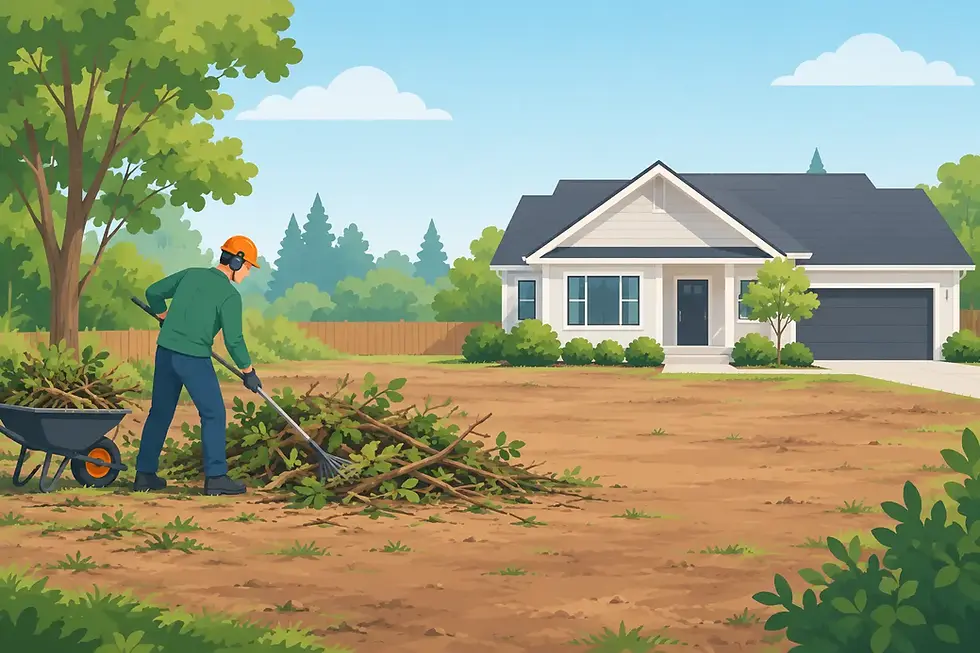
For properties in Santa Clarita Valley, Antelope Valley, Simi Valley, San Fernando Valley, and surrounding Los Angeles County communities, fire safety is another reason to stay ahead of dead vegetation. Dry branches, dead trees, and unmanaged brush can add fuel close to homes and access routes. Clearing hazardous material can improve both property appearance and defensible space.
Erik's Tree Service & Brush Clearance provides insured, professional tree and brush work with straightforward recommendations and free estimates. If you see a change that concerns you, it is better to have the tree evaluated while there is time to plan the work safely and within your budget.
A tree does not need to be completely dead to create a serious risk. Trust what you see, keep your distance from unstable limbs, and arrange a professional inspection when the warning signs are adding up.


Comments