


Clearing Vacant Lot Brush Safely and Properly

An unattended lot can change quickly after a wet Southern California season. Dry weeds, tangled brush, fallen limbs, and volunteer trees can turn open ground into a fire concern, a hiding place for pests, and a problem for neighbors. Clearing vacant lot brush is not just about making a property look better. It is practical maintenance that helps protect access, visibility, and the value of the land.
For homeowners, landlords, and property owners, the right approach is usually more than sending someone in with a mower. Dense vegetation can hide uneven ground, debris, utility hazards, old fencing, and trees that need a closer look. A professional crew can clear the growth efficiently while treating the property with care.
Why Clearing Vacant Lot Brush Matters
Brush buildup can create several issues at once. The most urgent concern in many Santa Clarita Valley, Antelope Valley, Simi Valley, San Fernando Valley, and Los Angeles County neighborhoods is fire exposure. Dry grass, dead branches, and heavy brush can allow flames to travel faster across a property and closer to structures, fences, vehicles, and neighboring homes.
A cleared lot is also easier to inspect and manage. Once overgrowth is removed, it is easier to spot drainage concerns, illegal dumping, damaged walls, encroaching vegetation, and trees with dead or low-hanging limbs. This matters if you are preparing to sell, planning construction, managing a rental, or simply trying to keep a vacant parcel from becoming a recurring problem.
Appearance counts, too. An overgrown lot can make an otherwise well-kept street look neglected. It may invite complaints, attract rodents and snakes, or create concern for nearby residents. Regular vegetation control gives the property a maintained, responsible appearance without requiring you to spend every weekend tackling difficult outdoor work.
Start With a Property Walk-Through
Before brush is cut, the property should be evaluated. The amount and type of vegetation affect the equipment, crew size, hauling needs, and time involved. Light weeds on a flat, accessible lot are very different from thick brush on a hillside with mature trees, loose soil, and limited entry.
A good walk-through identifies what should be removed, what should remain, and what needs special attention. Healthy established trees may be worth preserving for shade, privacy, and curb appeal. Dead wood, low limbs, invasive growth, and vegetation pressing against fences or structures may be better candidates for removal or trimming.
Access is another major factor. A crew needs to know whether trucks and equipment can enter the lot safely, where debris can be staged, and whether gates, parked vehicles, power lines, or neighboring properties affect the work. Clear communication before the job begins helps prevent surprises and produces a more accurate estimate.
What Professional Brush Clearing Should Include
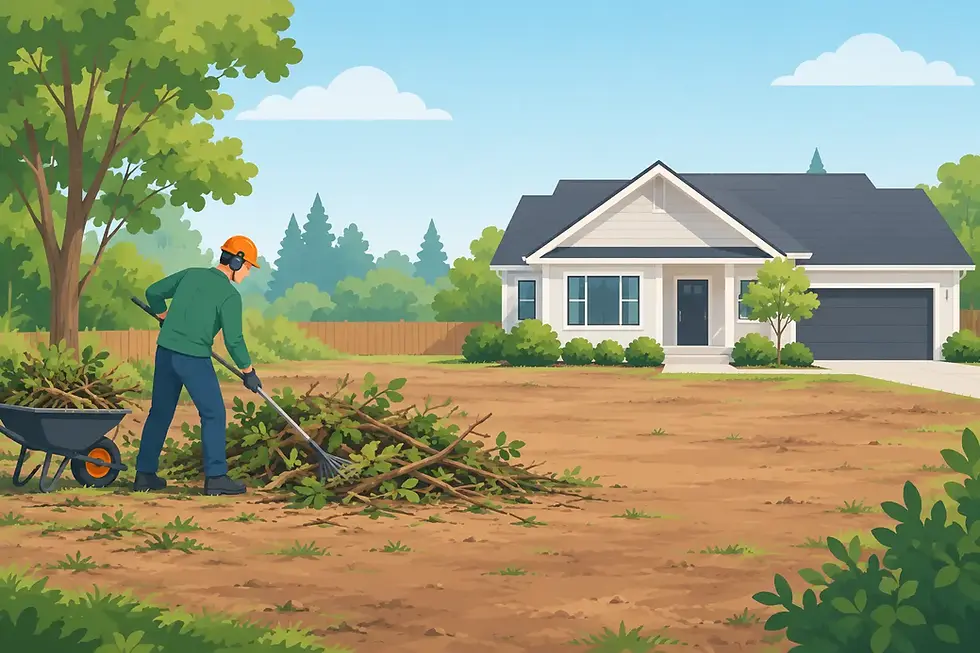
The goal is not simply to knock vegetation down. Proper vacant lot clearing involves removing or cutting back the brush that creates hazards, then leaving the site clean and manageable. Depending on the property, the scope may include mowing tall weeds, cutting dense brush, removing small trees or volunteer growth, trimming branches, clearing deadwood, and hauling away green waste.
Debris removal is especially important. Leaving piles of cut brush on site can defeat the purpose of the work, particularly during dry weather. A professional service should discuss whether material will be hauled away, chipped where appropriate, or placed in an agreed location. The best choice depends on fire safety, site access, local requirements, and your plans for the land.
Work around trees requires judgment. Heavy equipment and aggressive cutting can damage trunks, exposed roots, or desirable plants if the crew is not careful. Insured professionals with hands-on tree and brush experience can distinguish between routine overgrowth and vegetation that calls for more deliberate tree care.
Clearing Vacant Lot Brush for Fire Safety
Fire-conscious clearing focuses on reducing available fuel and creating better separation between vegetation and structures. That does not mean every plant must be stripped from the land. Bare soil can lead to erosion, dust, and an unfinished appearance, especially on slopes. The right balance depends on the lot, its terrain, nearby buildings, and the season.
In higher-risk areas, attention should go to dry grass, dead shrubs, downed branches, dense growth under trees, and brush touching or crowding fences. Low tree limbs may also need pruning to reduce the path a ground fire could take into the canopy. The work should leave the property more open and easier to defend without unnecessarily removing healthy trees that add value to the site.
Requirements can vary by location and may change based on local fire conditions. Property owners should not assume that one clearing plan fits every neighborhood. If your lot is near open space, on a slope, or close to homes, it is wise to ask about defensible-space needs and any local restrictions before starting major work.
When DIY Clearing Is Not the Best Choice
For a small patch of weeds, a homeowner may be able to handle basic maintenance. Vacant lots become different when growth is tall, thick, dry, on uneven ground, or mixed with branches and trees. Handheld tools can be slow and physically demanding, while power equipment carries real risks when used around rocks, wire, stumps, and hidden debris.
There is also the question of disposal. A few bags of green waste are manageable. Large brush piles, cut branches, and small trees can quickly become more material than a homeowner can transport safely. Burning vegetation is not a shortcut and may be restricted or unsafe, particularly during dry conditions.
Hiring an insured crew is often the more practical choice when the lot has fire-risk brush, hillside conditions, mature trees, difficult access, or a substantial amount of debris. It protects your time and helps ensure the work is completed with the right equipment and a clear cleanup plan.
How Often Should a Vacant Lot Be Cleared?
There is no single schedule for every property. Some lots need seasonal service after winter growth and again before the hottest, driest months. Others need attention once or twice a year, depending on rainfall, irrigation runoff, soil conditions, and how quickly weeds and brush return.
The best approach is to inspect the lot regularly rather than waiting until it looks unmanageable. Watch for tall drying grass, new volunteer trees, piles of fallen limbs, brush spreading toward structures, and growth that begins to block gates or driveways. Addressing these issues early is generally easier and more budget-friendly than waiting for a major cleanup.
Owners of rental properties or vacant parcels may benefit from a recurring maintenance plan. Consistent service keeps vegetation from getting out of hand and gives you a clearer picture of the property throughout the year. It also makes future work more predictable because the crew is maintaining the site instead of starting over each time.
Choosing a Brush Clearance Company
Price matters, but the lowest estimate is not always the best value. Ask what is included in the scope of work, whether debris hauling is included, how the crew will protect nearby areas, and whether the company is licensed, bonded, and insured. A clear estimate should explain the work in plain language so you know what to expect.
Local experience matters because Southern California properties come with different terrain, weather patterns, and vegetation conditions. A dependable contractor should be comfortable assessing flat lots, hillsides, residential parcels, and properties with trees that need trimming along with brush removal.
Erik's Tree Service & Brush Clearance, Corp. provides professional, insured brush clearance and tree care for property owners throughout the surrounding Southern California communities. Free estimates and budget-conscious options make it easier to plan work around the actual needs of your lot, not a one-size-fits-all package.
A vacant lot does not need to become a source of stress for you or your neighbors. Clearing it before dry brush, debris, and overgrowth become a larger issue is a practical way to keep the property safer, cleaner, and ready for whatever comes next.


Comments