


How to Save Stressed Trees Before They Decline

A tree can look fine from the street while struggling at the roots. In Southern California, long dry spells, compacted soil, extreme heat, construction damage, and poor trimming practices can all take a toll. Knowing how to save stressed trees early gives your tree a better chance to recover and helps prevent a health issue from becoming a safety issue near your home, driveway, fence, or power lines.
The goal is not to throw every treatment at the tree. Recovery starts with identifying what changed, correcting the most likely cause, and giving the tree time to respond.
Start by Looking for Signs of Tree Stress
Some stress symptoms are easy to spot: wilting leaves, browning tips, thinning canopy growth, leaves dropping out of season, or branches that are dying back from the ends. Other signs are lower on the tree, including mushrooms near the base, cracking bark, exposed roots, soil that stays soggy, or soil so dry that water runs off without soaking in.
A stressed tree does not always mean a dying tree. Deciduous trees naturally lose leaves during certain seasons, and some evergreens shed older needles as new growth develops. The concern is a sudden or widespread change, especially when it follows heat, drought, storm damage, grading, trenching, landscaping work, or an insect problem.
Take a close look at the whole tree rather than focusing only on brown leaves. Check whether damage is limited to one side, whether the trunk has fresh wounds, and whether nearby trees are showing the same symptoms. That pattern can help point to irrigation, soil conditions, pests, or a site-specific problem.
How to Save Stressed Trees With Better Watering
For many local properties, inconsistent watering is the first issue to address. A tree needs water deep in the soil where most of its working roots are located. Quick, shallow watering can encourage roots to stay close to the surface, where heat and dry conditions affect them faster.
Water slowly enough for moisture to soak down rather than run across the yard or down a slope. A soaker hose or a slow drip placed around the root zone usually works better than spraying the trunk. Start several feet away from the trunk and water outward toward the edge of the canopy, often called the drip line. That is where many of the feeder roots are found.
How often a tree needs water depends on its species, age, soil, slope, weather, and irrigation setup. Newly planted trees need more frequent attention than established trees, while a mature tree may need longer, deeper watering at wider intervals. Clay soil holds water longer than sandy soil, so watering on a fixed schedule without checking the ground can lead to either drought stress or root rot.
Before watering again, check a few inches below the surface. If the soil is still wet, wait. If it is dry and crumbly well below the mulch or surface layer, a deep watering may be needed. During heat waves, inspect trees more often, especially young trees and trees growing near pavement, walls, or reflective surfaces.
Protect the Roots Before Treating the Canopy
The health of a tree is closely tied to its root system. Roots can be damaged by parked vehicles, compacted soil, excessive grading, trenching, and piled materials. Even a healthy-looking tree may decline months after construction work disturbed the area around it.
Keep heavy equipment, vehicles, and stored materials away from the root zone whenever possible. Avoid piling soil against the trunk or covering the base with gravel, concrete, or landscape fabric that limits air and water movement. If roots were recently cut or disturbed, the tree may need careful watering and monitoring while it recovers.
A layer of organic mulch can help regulate soil temperature and slow moisture loss. Spread it two to four inches deep across the root area, but keep it several inches away from the trunk. Mulch pressed against bark can trap moisture and encourage decay, insects, and disease. The right mulch placement is simple: flat and wide, not piled high like a volcano.
Prune Only What the Tree Cannot Support
Homeowners often see browning leaves and assume the tree needs a major trim. Heavy pruning can make stress worse, particularly during hot or dry weather. Removing too much living canopy reduces the tree's ability to make energy and can expose previously shaded limbs and bark to sun damage.
Start with clearly dead, broken, rubbing, or hazardous branches. A dead branch will not recover, and removing it can reduce the chance of it falling. Make clean, proper cuts outside the branch collar rather than leaving long stubs or cutting flush against the trunk.
If large limbs are damaged, hanging over a structure, or close to electrical lines, do not attempt the work from a ladder. Trees can shift unexpectedly, and even a small branch can cause serious injury when cut overhead. Professional pruning is the safer choice when access, height, or property damage is a concern.
Do Not Rush to Fertilize
Fertilizer is not a cure for every stressed tree. If the actual problem is overwatering, root damage, compacted soil, disease, or insects, adding fertilizer may do little good and can create more stress. A weak tree may not be able to use extra nutrients effectively.
If a soil nutrient issue is suspected, it is better to identify it before applying products. The same goes for pest treatments. Certain insects are seasonal or only become a concern when their numbers are high, while others may be a sign that the tree was already weakened by drought or root problems.
Watch for unusual holes in bark, sawdust-like material, sticky residue, webbing, leaf spotting, or branches that die suddenly. Photos and a careful inspection can help a qualified tree professional determine whether the issue is pest-related, disease-related, environmental, or a combination of causes.
Reduce Heat and Fire Stress Around the Property
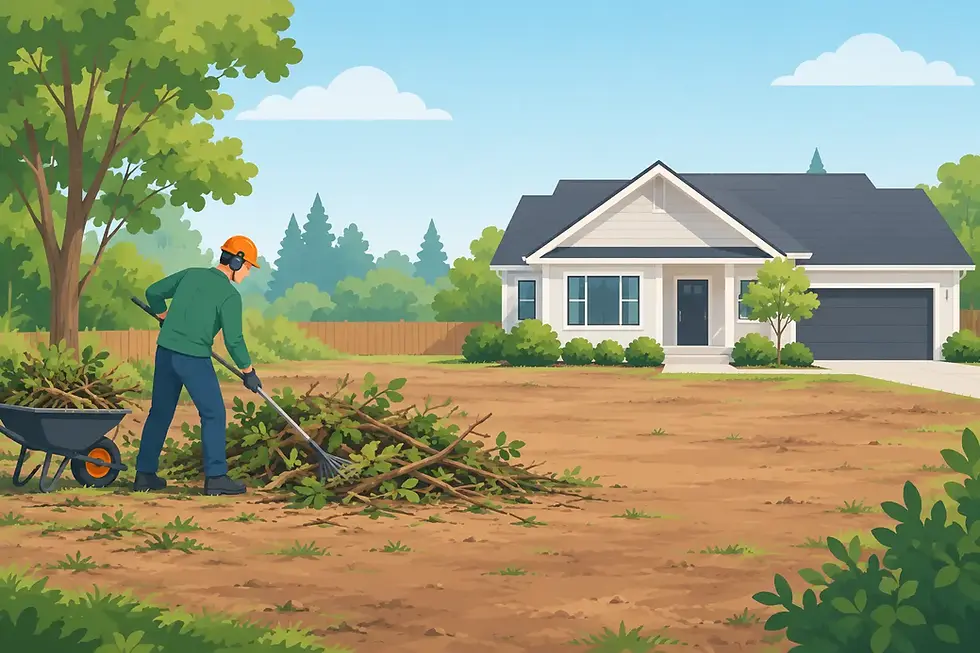
Southern California trees often face environmental pressure that is not limited to watering. Dense brush, dry debris, crowded branches, and overgrown vegetation can restrict access, increase fire exposure, and make it harder to inspect a tree for damage.
Maintain clear space around trunks and remove dry, accumulated debris from the immediate area. This does not mean stripping a property bare. Healthy trees benefit from proper spacing, appropriate mulch, and careful brush management. The right approach balances fire safety, appearance, shade, and plant health based on the property.
Trees growing near structures also need room for safe clearance. Branches rubbing roofs, fences, gutters, or siding can create damage over time. Keeping limbs properly managed helps protect the tree and makes the property easier to maintain.
Know When a Stressed Tree Needs Professional Help
Some tree problems are manageable with better watering, mulch, and patience. Others require an experienced assessment because the risk is not always visible from the ground. Call for professional help if the tree is leaning suddenly, has large cracks in the trunk, has roots lifting from the soil, drops large limbs, shows extensive dieback, or stands near a house, driveway, play area, or utility line.
A tree can also be structurally unsafe even when it still has green leaves. Decay inside a trunk or major limb may not be obvious until a branch fails. An insured tree service can evaluate the condition of the tree, recommend practical options, and handle hazardous pruning or removal safely when recovery is no longer realistic.
For homeowners across Santa Clarita Valley, Antelope Valley, Simi Valley, San Fernando Valley, and surrounding Los Angeles County communities, Erik's Tree Service & Brush Clearance provides straightforward tree care and brush clearance with safety and property protection in mind. A professional inspection can help separate a recoverable stress issue from a tree that needs prompt action.
A stressed tree rarely improves overnight. Give it consistent care, avoid unnecessary cutting or treatments, and watch for gradual changes in leaf color, canopy density, and branch condition. Acting early and choosing the right next step can preserve a valuable tree while keeping the people and property around it safer.


Comments