


Brush Clearance Meaning for Property Owners

If you have ever looked at a hillside lot, an overgrown backyard, or a property line packed with dry weeds and tangled shrubs, you have probably heard the term brush clearance. The simple brush clearance meaning is this: removing or reducing overgrown vegetation, dead plant material, and fire-prone growth to make a property safer, cleaner, and easier to maintain.
In Southern California, that definition matters for more than appearance. Brush buildup can raise fire risk, block access, hide hazards, and put extra stress on a property owner who is already trying to keep up with maintenance. For many homeowners and landlords, brush clearance is not a cosmetic project. It is basic property protection.
What brush clearance meaning actually includes
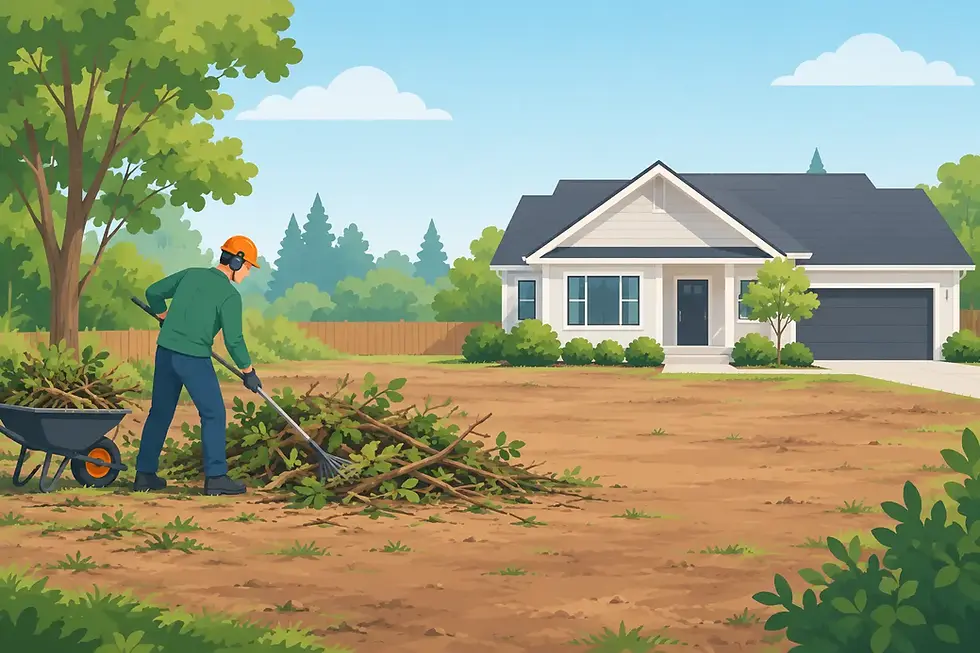
Brush clearance usually refers to cutting back or removing dense vegetation such as weeds, dry grass, small volunteer growth, overgrown shrubs, fallen limbs, and other combustible plant debris. The goal is to reduce excess fuel on a property and create a more manageable outdoor space.
That said, brush clearance is not exactly the same thing on every job. On one property, it may mean clearing a slope behind a house. On another, it may mean opening access around fences, sheds, trees, or driveways. Some jobs focus mostly on fire prevention. Others are about reclaiming usable yard space or cleaning up a neglected lot before it becomes a larger problem.
This is where homeowners sometimes get confused. Brush clearance does not automatically mean stripping a property bare. A professional crew should know the difference between removing hazardous overgrowth and overcutting an area that still needs healthy vegetation, shade, or erosion control.
Why brush clearance matters in Southern California
In this region, dry seasons, heat, and wind can turn neglected vegetation into a serious safety issue. Dead brush, tall weeds, and low-hanging growth can act as fuel, especially near homes, garages, fences, and outbuildings. That is one reason property owners often need regular vegetation management rather than a one-time cleanup.
There is also the everyday side of it. Overgrowth attracts pests, hides debris, and makes a property look harder to care for than it really is. If you own a rental, manage a vacant lot, or simply want to keep your home in good shape, brush clearance helps prevent small issues from becoming expensive ones.
For hillside and larger properties, the need is even more obvious. Steep terrain can make overgrowth hard to manage without the right equipment and crew. Trying to do it yourself may sound like a way to save money, but difficult access, uneven ground, and hidden obstacles can quickly turn it into a risky project.
Brush clearance meaning vs. basic yard cleanup
A lot of people use these terms interchangeably, but they are not always the same.
Basic yard cleanup usually focuses on visible maintenance. That may include mowing, trimming, leaf removal, and general tidying. Brush clearance is more targeted. It deals with heavy growth, dry vegetation, unmanaged areas, and the kind of buildup that can affect safety, access, and code compliance.
Think of it this way: if your yard needs routine upkeep, that is one type of service. If sections of your property are overrun, packed with dead material, or becoming a fire concern, that is where brush clearance comes in.
The difference matters because the labor, tools, and disposal needs are often much greater with brush clearance. A homeowner may be able to handle light cleanup on a Saturday. Dense vegetation removal is a different level of work.
What a professional brush clearance job may involve
Every property is different, but most brush clearance jobs start with an on-site look at the terrain, the density of the growth, and what the owner is trying to accomplish. Some customers want a full reduction of overgrown areas. Others want selective clearing that keeps the property looking natural while reducing risk.
A professional crew may cut and remove dead brush, knock down heavy weeds, trim back encroaching vegetation, clear around structures, and haul away debris. If trees are part of the problem, the work may also include pruning low limbs, removing dead branches, or addressing small trees that are crowding the space.
The cleanup is just as important as the cutting. Leaving piles of dry debris behind defeats the purpose. Good brush clearance should leave the area safer and more usable, not just temporarily cut back.
When brush clearance becomes necessary
Some properties make it obvious. If vegetation is waist high, dry, spreading into walkways, or pressing up against structures, it is time to deal with it. Other warning signs are easier to miss.
If you cannot easily see the ground in certain areas, if dead growth is layered under new growth, or if access around the property is getting tighter, brush clearance may already be overdue. The same goes for lots that have been vacant, rental homes between tenants, and homes where side yards or rear slopes have not been touched in months.
It also becomes necessary after storms, high winds, or seasonal growth spurts. Downed limbs, broken branches, and fresh overgrowth can change the condition of a property faster than many people expect.
The trade-off between clearing enough and clearing too much
This is one of the biggest reasons to hire experienced help. More clearing is not always better.
Yes, reducing heavy brush is important. But removing too much vegetation can leave a slope exposed, affect privacy, or create an uneven look around the property. Some areas benefit from selective clearing rather than full removal. It depends on the layout, the type of growth, and the purpose of the work.
That is why a reliable contractor should walk the property, explain what makes sense, and work with your budget and priorities. A homeowner should not have to guess whether an area needs full clearing, trimming, thinning, or just maintenance.
Brush clearance and defensible space
In many parts of Southern California, brush clearance is closely tied to defensible space. That means creating safer space around a home by reducing flammable vegetation and helping slow the path of a fire.
The exact requirements can vary by location and property type, so it is smart to ask questions about local expectations. What matters for homeowners is understanding the purpose. Defensible space is not about making your yard look empty. It is about improving safety by managing fuel sources near structures.
When brush clearance is done with that goal in mind, it supports both the appearance of the property and the protection of the people living there.
Why hiring insured professionals matters
Brush clearance looks straightforward until the work starts. Hidden stumps, uneven ground, rocks, wire, pests, and unstable limbs can all be part of the job. Add steep slopes or tight access, and the risk goes up fast.
Hiring a licensed, bonded, and insured company gives property owners peace of mind that the work is being handled by people who do this regularly. It also helps ensure the job is completed efficiently, debris is removed properly, and the finished result meets the customer's expectations.
That matters when you are hiring for safety, not just convenience. A cheap cut-and-go job can leave behind hazards, unfinished cleanup, or damage to fencing, irrigation, and nearby landscaping.
How to know what your property needs
If you are unsure about the brush clearance meaning for your specific situation, the best starting point is simple: look at whether the vegetation is creating risk, blocking use of the property, or getting beyond what normal yard care can handle.
If the answer is yes, it is time for an estimate. A good local company should be able to walk the property, explain the scope in plain language, and recommend a level of clearing that fits both safety needs and budget. That is especially helpful for homeowners who do not want technical jargon - just honest guidance on what should be done now and what can wait.
For property owners across Santa Clarita Valley and surrounding areas, that local experience matters. Conditions here are different from other parts of the country, and brush management should reflect the realities of Southern California terrain, weather, and fire concerns.
Brush clearance meaning, at its core, is simple: removing the kind of overgrowth that puts your property at risk or makes it harder to manage. The right job leaves your space safer, cleaner, and easier to stay ahead of - which is a lot easier than waiting until the brush takes over.


Comments