


What Is Tree Work? A Clear Homeowner Guide

A tree that looks "mostly fine" can still be hanging over a roof, pushing into power lines, dropping dead limbs, or feeding fire risk with overgrown brush below it. That is usually when homeowners start asking, what is tree work, exactly, and what does a professional crew actually do?
Tree work is the hands-on care, maintenance, cutting, and removal of trees to keep a property safer, cleaner, and easier to manage. It can include trimming, pruning, shaping, crown reduction, deadwood removal, tree removal, stump grinding, brush clearance, and cleanup. In practical terms, tree work is the job of dealing with trees before they become a hazard, an eyesore, or a bigger expense.
What is tree work for a residential property?
For most homeowners, tree work is not about technical forestry terms. It is about solving a real problem on the property. Maybe a tree is growing too close to the house. Maybe branches are scraping the roof during wind. Maybe the yard is overgrown and hard to maintain. Maybe a dead or leaning tree is making everyone nervous.
Residential tree work focuses on safety first, then tree health, then appearance. A good crew looks at the condition of the tree, the location, nearby structures, access, and the level of risk. The work is then planned around what the property actually needs, not around a one-size-fits-all approach.
That matters in Southern California, where drought stress, sun exposure, wind, slope conditions, and wildfire concerns can all change how a tree should be managed. What works for one yard may not be right for another.
What services are included in tree work?
Tree work is a broad term, and that is why it can sound vague. In reality, it usually refers to a few core services that property owners need most often.
Tree trimming and pruning
This is one of the most common types of tree work. Trimming and pruning help remove overgrown, weak, damaged, or poorly placed branches. The goal might be to improve clearance over a driveway, reduce weight on heavy limbs, keep branches away from a roof, or clean up the tree's overall shape.
Not every cut is the same. Some trimming is done for appearance, but a lot of it is done for safety and structure. Removing deadwood, thinning crowded growth, and cutting back limbs that are rubbing or hanging too low can make a real difference.
Tree removal
Sometimes a tree should not be trimmed back and preserved. If it is dead, unstable, badly damaged, diseased, uprooting, or growing in a location where it creates too much risk, removal may be the better option.
Tree removal is one of the more dangerous parts of tree work because it often involves climbing, rigging, controlled cutting, and working around homes, fences, vehicles, and utility lines. It is not just about cutting a tree down. It is about removing it in sections, controlling the drop, and protecting the rest of the property while the work is being done.
Stump grinding and cleanup
After a tree is removed, the stump is often the next issue. Stumps can get in the way of landscaping, attract pests, create a trip hazard, and make the yard look unfinished. Stump grinding removes the visible stump and reduces it below ground level so the area can be used again.
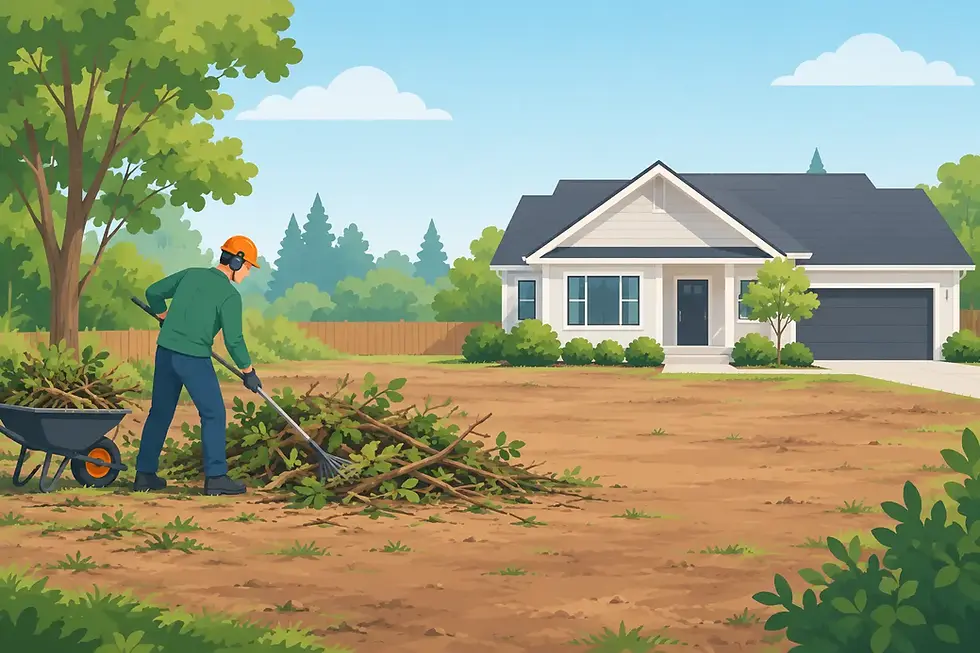
Cleanup is also part of real tree work. That includes hauling away branches, logs, brush, and debris so the property is not left in a mess.
Brush clearance and vegetation management
On many Southern California properties, tree work overlaps with brush work. Overgrown vegetation under and around trees can increase fire risk, block access, and make the yard feel unmanaged. Clearing brush, thinning growth, and reducing fuel loads is often just as important as trimming the trees themselves.
This is especially relevant for larger lots, hillside properties, rentals, and homes near open land where defensible space is a serious concern.
Why tree work matters more than people think
A lot of homeowners wait until a branch breaks or a tree starts leaning before calling for help. The problem is that tree issues usually build slowly, then become urgent all at once.
A neglected tree can damage a roof, crack a fence, block visibility, interfere with walkways, or drop limbs in high winds. Overgrown trees can also reduce light, crowd other plants, and make a property harder to maintain. In dry areas, unmanaged brush and dead growth create an added layer of risk that goes beyond appearance.
There is also the value side of it. Well-maintained trees can improve the look of a property and make outdoor space feel cared for. Poorly maintained trees can do the opposite. Even if the issue is not dangerous yet, overgrowth can make a home look neglected.
What tree work does not mean
It helps to clear up a common misunderstanding. Tree work does not always mean cutting everything back hard or removing every tree that looks too large. Good tree service is not about doing the most aggressive work possible.
Sometimes the right answer is selective trimming. Sometimes it is canopy lifting for clearance. Sometimes it is removing one hazardous tree and preserving the rest. And sometimes a tree simply needs monitoring rather than immediate removal.
This is where experience matters. Too much cutting can stress a tree, weaken its structure, or leave it looking unnatural. Too little can leave the actual hazard in place. The best result usually comes from balanced work that matches the condition of the tree and the needs of the property.
When should you schedule tree work?
You do not need to wait for an emergency. In fact, that is usually the most expensive and stressful time to deal with it.
It is smart to schedule tree work when branches are hanging over the house, limbs are dead or cracked, trees are touching power or utility lines, visibility is blocked, brush is taking over the yard, or a tree shows signs of decline. Leaning, root movement, sudden leaf loss, hollow areas, split trunks, and heavy deadwood are all signs that it is time to have the property looked at.
Season also plays a role, but there is no single calendar rule that fits every tree. Some trimming can be done routinely, while hazardous conditions should be handled right away. Fire season prep often brings a lot of calls, so waiting until the last minute is not always ideal.
What to expect from a professional tree work estimate
A professional estimate should be straightforward. The crew or estimator should look at the tree or brush conditions on site, explain what needs to be done, point out any safety concerns, and clarify what is included in the job. That usually means the scope of work, debris removal, access issues, and whether stump grinding or brush hauling is part of the price.
Homeowners should also expect clear information about licensing, insurance, and how the work will be performed. Tree work is physical, technical, and risky. Hiring an insured professional protects both the customer and the crew.
Price matters, but the lowest bid is not always the best value. If one company is skipping cleanup, lacks insurance, or plans to overcut the tree just to finish fast, that lower number can cost more later.
What is tree work worth to a homeowner?
The value depends on the goal. If the issue is safety, the value is in reducing the chance of damage or injury. If the issue is brush and overgrowth, the value is in making the property easier to maintain and reducing fire exposure. If the goal is appearance, the value is in curb appeal and cleaner outdoor space.
In many cases, it is all three.
That is why local homeowners often want a company that can handle both trees and brush without overcomplicating the process. A service company like Erik's Tree Service & Brush Clearance, Corp. is built around that practical need - safe, insured work, clear communication, and a jobsite that is cleaned up before the crew leaves.
Choosing the right kind of tree work
The best tree work is not the biggest job. It is the right job. A healthy tree may only need trimming every so often. A neglected yard may need a more complete cleanup. A hazardous tree may need removal before weather turns it into an emergency.
If you are wondering what is tree work in the simplest terms, it is the work that keeps trees from becoming a problem and helps your property stay safe, usable, and well cared for. The right time to ask about it is before the damage, overgrowth, or fire risk gets worse. A quick professional assessment can save you a much bigger headache later.


Comments