


Can Dead Trees Fall Suddenly? Warning Signs

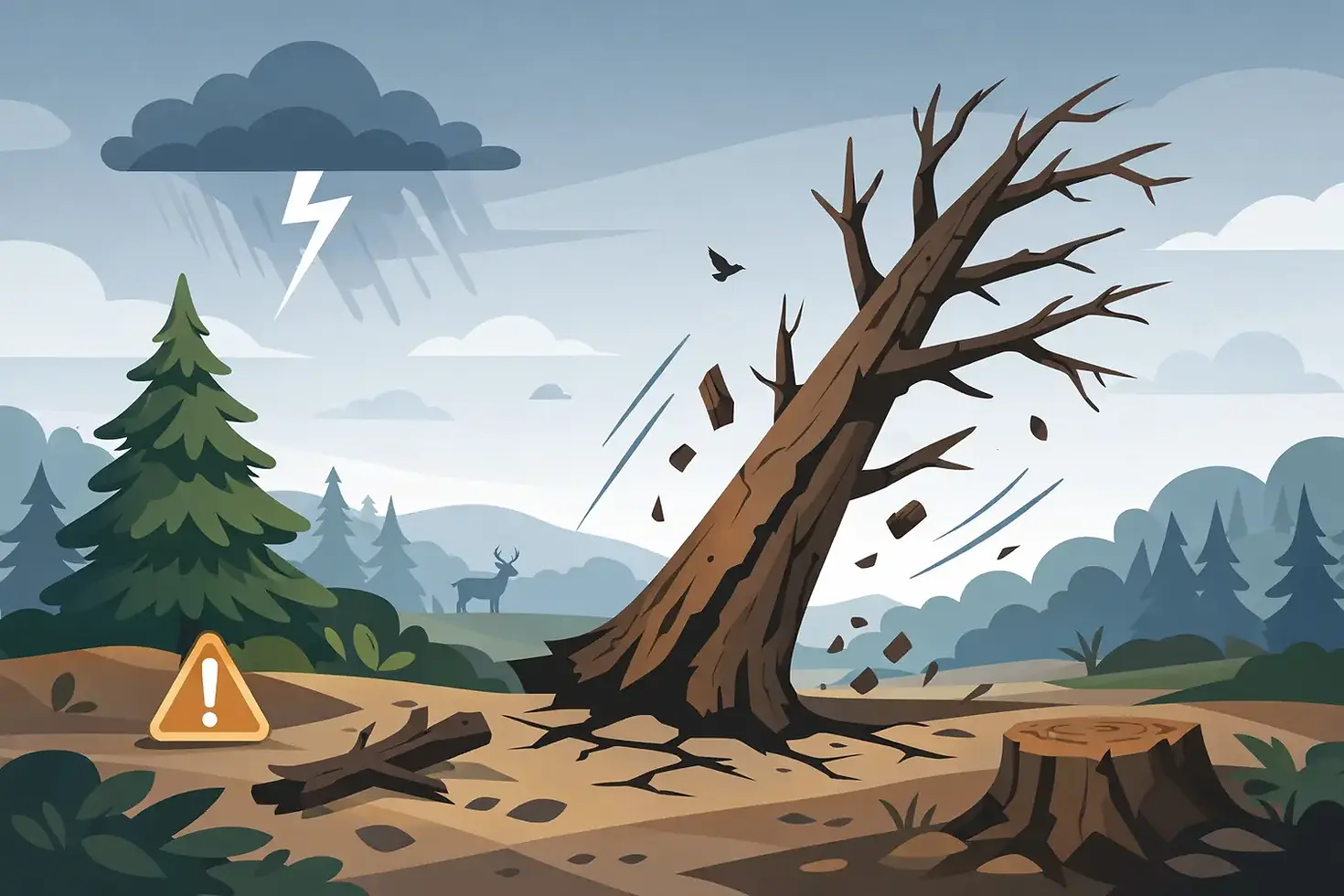
A dead tree can look unchanged for months, then lose a major limb or come down during one windy afternoon. So, can dead trees fall suddenly? Yes. The failure may appear sudden from the ground, but the tree has usually been weakening over time through decay, dry rot, root damage, pests, or weather exposure.
For homeowners and property owners in Southern California, a dead or declining tree is more than a landscaping concern. It can threaten roofs, vehicles, fences, utility lines, sidewalks, and the people using your property. Dry conditions, Santa Ana winds, and wildfire concerns can make timely tree care especially worthwhile.
Why Dead Trees Can Fail Without Much Warning
Living trees have moisture in their wood and a working root system that helps them flex and hold their position. Once a tree dies, that natural strength starts to decline. The trunk and branches dry out, decay can spread inside the wood, and roots may no longer anchor the tree as well as they once did.
A tree does not have to fall all at once to create a serious hazard. Large dead branches can break free first, particularly when wind catches the canopy. A weakened top can snap off. In other cases, the trunk splits at a decayed area or the root plate lifts out of the soil, causing the entire tree to fall.
Weather often triggers the visible failure, but weather is not always the cause. A tree that has been dead for years may finally come down after a moderate wind, a period of rain that softens the soil, or even a change in weight as branches dry out and break unevenly. That is why waiting for a major storm is not a safe plan.
Signs a Dead Tree May Be Unstable
No one can judge every tree’s risk from a quick look at the leaves alone. Some trees lose foliage seasonally, while others can be alive but stressed. Still, several visible signs should prompt a professional inspection, especially when the tree is near a structure, driveway, play area, or neighboring property.
Look for a trunk with large cracks, deep cavities, peeling bark, soft or crumbling wood, or mushrooms growing around the base. Fungi can indicate internal decay, although the extent of the problem is not always visible from outside. A hollow-sounding trunk, a sudden lean, or soil that appears lifted or cracked around the roots also deserves attention.
Dead branches high in the canopy are another common concern. They may be gray, brittle, bare when nearby branches are leafing out, or missing bark. Do not try to pull on or cut large overhead limbs yourself. Dead wood is unpredictable, and the safest cutting method depends on the branch size, its attachment point, and what sits below it.
Other warning signs include:
A tree that is leaning more than it did before
Exposed, damaged, or severed roots
Multiple dead limbs concentrated on one side
Splits where large branches join the trunk
Bark falling off in large sections
A tree that has died after drought stress, fire damage, construction work, or pest activity
One sign does not automatically mean a tree will fall tomorrow. But several signs together, or one serious defect above a target such as a home or parked car, should not be ignored.
Can Dead Trees Fall Suddenly During Wind?
Wind is one of the most common moments when dead trees and limbs fail. Gusts put pressure on the canopy and create movement through the trunk and roots. A healthy tree may bend and recover. A dead or decayed tree may not have enough sound wood left to handle that force.
Santa Ana wind events are a particular concern across the Santa Clarita Valley, Antelope Valley, Simi Valley, San Fernando Valley, and greater Los Angeles County. Even a tree that has stood in place for years can become a problem when dry, brittle limbs and high winds combine. If a tree is already leaning, shedding branches, or showing root movement, keep people and vehicles away from the area when wind is expected.
Rain can create a different kind of risk. Wet soil may reduce root support, particularly around trees with root rot, shallow roots, or roots damaged by grading and construction. Rainfall after a long dry period can expose weaknesses that were not obvious during dry weather.
What to Do If You Have a Dead Tree on Your Property
Start by looking at what the tree could hit if it failed. The risk is higher when it stands near your house, a garage, power lines, a shared fence, a busy driveway, or a neighbor’s property. A dead tree in an open portion of a large lot may not require the same urgency, but it can still create a fire hazard or become more difficult and expensive to remove as it deteriorates.
Do not climb the tree, cut major limbs from a ladder, or attempt to push it over. Dead trees can break apart in unexpected ways, and a fallen limb can pull down other limbs as it drops. If utility lines are involved or the tree is touching a line, stay clear and contact the utility provider. Never attempt to remove a tree or branch from electrical lines.
For a tree away from power lines, a qualified, insured tree service can assess its condition, access, nearby hazards, and the safest removal approach. The work may involve controlled dismantling in sections instead of dropping the entire tree at once. That takes more time than a simple cut at the base, but it helps protect homes, hardscaping, and surrounding trees.
At Erik's Tree Service & Brush Clearance, Corp., property owners can request a free estimate and receive straightforward recommendations based on the tree’s condition and location. A professional assessment should explain whether removal is necessary now, whether selective pruning can address a dead limb hazard, and what the work will involve before it begins.
Dead Tree Removal Is Also a Fire-Safety Decision
In Southern California, dead trees and accumulated brush can add dry fuel to a property. A standing dead tree may not be the first concern people notice, but its brittle branches and fallen debris can contribute to an overgrown, fire-prone area. Clearing dead material also improves access around structures, fences, and property lines.
The right approach depends on the property. Removing every mature tree is not the goal. Healthy, maintained trees can provide shade, privacy, and curb appeal. The goal is to identify dead, failing, or poorly located vegetation and manage it before it creates a safety issue.
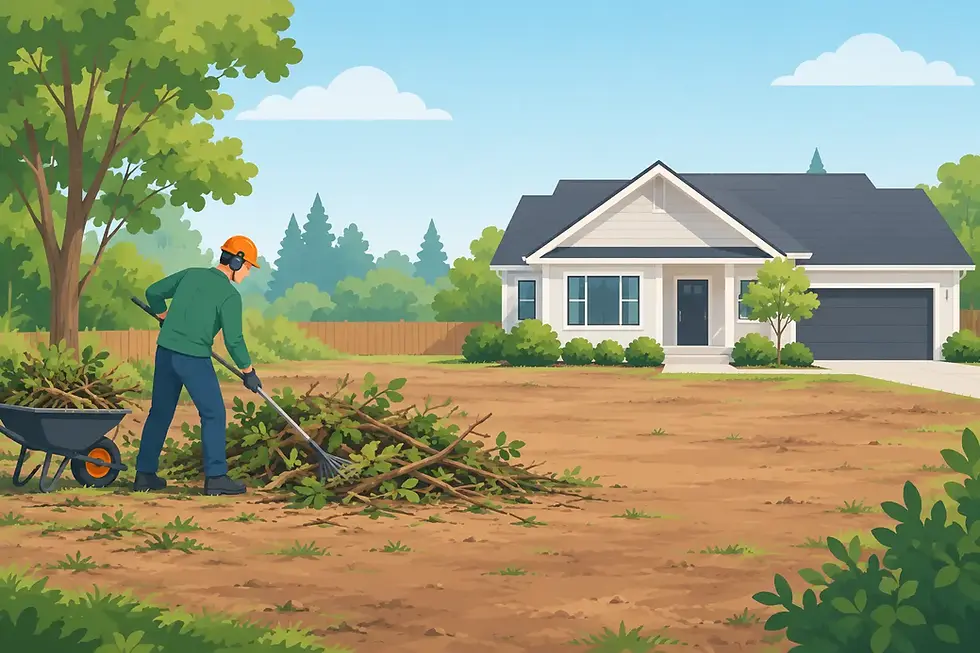
After removal, ask about cleanup and whether the remaining brush, stump, or wood chips should be handled as part of the project. Leaving piles of dry debris near the home can defeat some of the safety benefit of removing the tree in the first place.
When to Call Right Away
Treat the situation as urgent when a dead tree or large dead limb is hanging over a home, driveway, walkway, or occupied area. Call promptly if the tree has shifted after wind or rain, roots are lifting, the trunk has split, or branches have already begun falling. The same applies when a tree is close to a power line or has become entangled in one.
If there is no immediate danger, scheduling an inspection before the next wind season is still a smart move. Early removal is usually safer than waiting until the tree is more brittle, more decayed, or harder to access.
A dead tree rarely becomes safer with time. Giving it a careful professional evaluation now can protect your property, reduce fire-related vegetation concerns, and let you make a clear decision before nature makes one for you.


Comments