


What Affects Residential Tree Removal Cost?

A tree can look manageable from the ground and become a complex removal once branches hang over a roof, power line, fence, or narrow side yard. That is why residential tree removal cost is not a one-price service. A professional estimate accounts for the tree itself, the work area, the risk involved, and what needs to happen after the tree is down.
For Southern California homeowners, the right question is not just, “What does it cost to cut down a tree?” It is, “What work is needed to remove it safely without damaging my property?” A clear estimate should answer that question before work begins.
What Is the Typical Residential Tree Removal Cost?
Most residential removals fall within a broad range. A small tree with open access may cost roughly $300 to $700. A medium-sized tree often falls between $700 and $1,500. Large, mature, difficult-to-access, or hazardous trees can cost $1,500 to $3,500 or more.
Those figures are planning ranges, not a substitute for an on-site quote. Two trees of the same height can require very different equipment, crews, and safety measures. A 40-foot tree in an open front yard is a different project from a 40-foot tree growing between a house, pool, and block wall.
If a price sounds unusually low, make sure you know what it includes. Ask whether the quote covers cutting, controlled lowering of limbs, hauling debris, stump work, and cleanup. An incomplete quote can appear less expensive until the remaining work becomes your responsibility.
The Main Factors That Affect Tree Removal Pricing
Tree size, species, and condition
Height and trunk diameter have a direct effect on labor and equipment needs. Larger trees take longer to dismantle and create heavier sections that must be handled carefully. A wide canopy can also extend far beyond the trunk, putting branches over structures or neighboring property.
The tree’s condition matters just as much. A healthy tree may provide secure climbing and rigging points. A dead, decaying, split, or fire-damaged tree can be less predictable and more hazardous to work around. In some cases, the crew must remove unstable limbs first before beginning the main removal.
Certain species also create more cleanup. Palm trees, for example, may have heavy fronds and dense trunks. Trees with sticky sap, thorns, multiple stems, or large surface roots can add time to the job.
Access to the work area
Access is one of the biggest reasons estimates vary. A tree near a driveway with room for a chipper, truck, and equipment can usually be handled more efficiently than one behind a home with only a narrow gate.
Limited access may require a crew to carry brush and wood by hand, use specialized rigging, or make additional trips to remove debris. Sloped lots, soft ground, retaining walls, pools, and landscaping all affect how safely equipment can be positioned.
This is especially common in hillside neighborhoods and properties with mature landscaping. The tree may not be unusually large, but the location can make removal more involved.
Nearby structures and hazards
The closer a tree is to a home, garage, fence, patio cover, pool, or utility line, the more controlled the removal must be. Rather than dropping sections into an open area, professionals may need to lower each piece with ropes and rigging.
That careful approach takes more time, but it protects the property. It is also why a hazardous tree should not be treated as a simple cutting job. Insurance, proper equipment, and trained workers matter most when the consequences of a mistake are high.
If branches are close to electrical service lines, the work may require coordination with the utility provider. Homeowners should never attempt to trim or remove branches near energized lines themselves.
Debris removal and cleanup
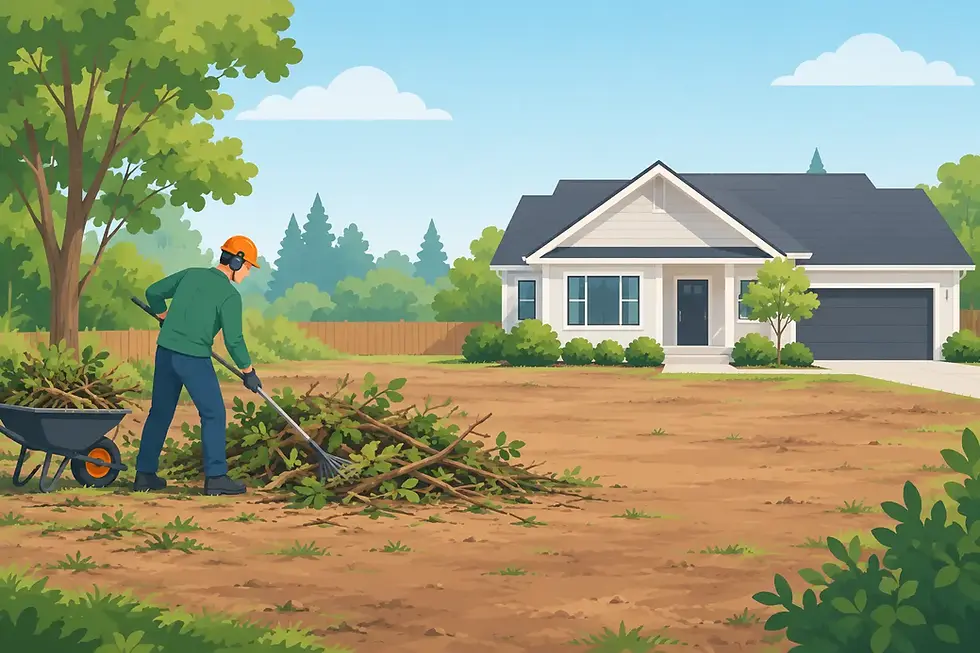
Tree removal produces more material than many homeowners expect. Branches need to be chipped or loaded, trunk sections need to be hauled away, and the work area should be raked and cleared before the crew leaves.
Hauling and disposal are commonly included in a full-service removal quote, but it is smart to confirm. Some customers choose to keep firewood or mulch on site, which may reduce hauling needs. Others want every piece removed so the yard is ready for its next project.
Cleanup should be clearly discussed in advance. A dependable tree service will explain what the property will look like when the work is complete.
Does Stump Removal Cost Extra?
In many cases, yes. Cutting a tree close to ground level and removing the stump are separate services. Stump grinding uses different equipment and may be priced based on stump diameter, root conditions, access, and whether surface roots need to be addressed.
Leaving a stump may be reasonable if it is out of sight, away from landscaping, and not creating a tripping concern. Grinding is often the better choice when you want to plant, install hardscape, improve curb appeal, or eliminate a spot where pests and regrowth can become a problem.
Be clear about your goal when requesting an estimate. “Tree removal” does not always mean the stump and roots will be removed.
Emergency Work and Fire-Risk Conditions
Emergency tree removal usually costs more than scheduled work. After high winds, storms, vehicle impacts, or sudden tree failure, crews may need to respond quickly and work under more difficult conditions. A tree resting on a roof or blocking access requires immediate care and controlled removal.
In Southern California, overgrown vegetation can also become a fire-safety concern. Removing dead trees, clearing dry brush, and reducing overhanging limbs can help improve defensible space and make a property easier to maintain. The scope may involve more than one tree, which is why a property-wide assessment can be useful.
For non-emergency work, scheduling ahead is usually the best way to keep the project organized and avoid rushed decisions. If a tree is showing cracks, lean, dead upper limbs, fungus, or root lifting, request an inspection before it becomes an urgent situation.
Permits, Property Lines, and Other Costs to Check
Some cities, homeowners associations, and local jurisdictions have rules regarding protected, heritage, or street trees. A permit may be required before removal, particularly for larger or regulated species. Permit requirements and fees vary, so it is worth checking before scheduling work.
Property lines also deserve attention. A trunk near a fence does not always mean the tree belongs solely to one property owner. If branches extend over a neighbor’s yard or the tree sits close to a boundary, a conversation before work begins can prevent misunderstandings.
Additional costs can arise when a tree is entangled with a fence, growing through a patio cover, or has caused damage that needs separate repair. A thorough on-site estimate helps identify these conditions early.
How to Get a Fair Tree Removal Estimate
The best estimate is detailed enough to compare without being confusing. It should identify the tree or trees being removed, the expected scope of work, debris handling, stump options, and any special access or hazard concerns.
It is also reasonable to ask whether the company is licensed, bonded, and insured. Tree work involves heights, heavy wood, equipment, and property risk. Choosing an insured professional protects more than the tree - it protects your home and the people working around it.
When comparing quotes, avoid choosing on price alone. Consider responsiveness, the clarity of the scope, proof of insurance, cleanup standards, and whether the contractor took time to inspect the site. A crew that understands the challenges before starting is better prepared to complete the job safely.
Erik’s Tree Service & Brush Clearance provides free estimates for homeowners and property owners throughout the Santa Clarita Valley and surrounding Southern California communities. A site visit makes it possible to give practical recommendations and discuss options that fit the property and budget.
When Removal Is the Right Choice
Not every tree needs to come down. Pruning, crown reduction, deadwood removal, or cabling may be appropriate when a tree is healthy and structurally sound. Removal becomes the better option when a tree is dead, severely declining, damaged beyond repair, repeatedly dropping large limbs, interfering with structures, or creating a serious fire or safety concern.
A trustworthy tree professional should explain the reason for the recommendation in plain language. Homeowners deserve to know whether removal is necessary now, whether pruning can manage the issue, or whether monitoring is a reasonable short-term approach.
A free, on-site estimate gives you more than a number. It gives you a clear plan for protecting your property, managing the debris, and taking care of a tree problem before it creates a larger expense.


Comments